All good things must come to an end and whilst wildflowers have a longer blooming period than most garden flora, there does come a time when their blooms will begin to die off and it is time to think about getting your meadow trimmed and prepared for a bloom next year.
Why wildflower meadow management matters
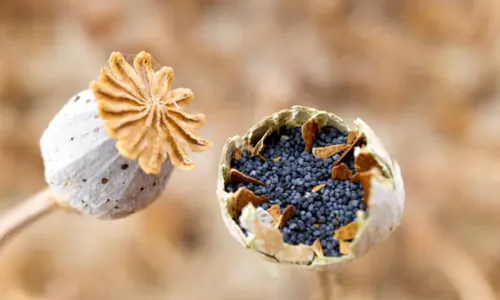
If you enjoyed a beautiful first bloom from your wildflower meadow this year, you will no doubt want to see the same explosion of colour again next year – this is where end of season wildflower management comes in. In order to keep your meadow coming back vibrant and blooming year-after-year, you will need to mow your meadow in autumn when your wildflowers have gone to seed head or have set seed. This means the blooms have turned brown and crisp and may begin to fall off, and if you take a peek inside the seed head, you should be able to see hundreds of tiny seeds. For example, the below shows a photo of a poppy that has gone to seed head.
When to cut your wildflower meadow
Most wildflower meadows sown in spring will begin to go to seed head from August onwards – as soon as you recognise that your wildflowers are beginning to die off, you should aim to mow your meadow.
TOP TIP: If you have first sown your wildflower meadow in autumn then you can expect the first mow to come around sooner, most likely in March/April where the meadow will have reached heights of 10cm.
How to cut your wildflower meadow
When you go to trim your wildflower meadow, you will want to ensure your mower or strimmer is on the highest setting.
Cut the meadow down to 7cm in height.
Leave the clippings for several days – this will encourage the seeds to plant themselves into the soil.
Assist the process by rolling or firming the seed heads into the soil by foot.
After a few days, remove the dead flower casings so as not to add fertility to the area.
TOP TIP: If you want to try some different flora next year then simply remove the clippings after you have mowed your meadow.
Seed collecting from your wildflowers
With such an abundance of seeds available in the seed heads of your wildflowers, you may wish to save them for another time or share them with friends or family. Use a container to collect your favourite wildflowers and shake out the seed heads to gather the seeds. If you want to ensure you know which is which, use separate containers and label them. Store your seeds in a cool, dry place in envelopes or boxes, but do not store them in plastic, as this will encourage condensation and cause them to become unusable.
Mowing for biodiversity
Cutting more frequently can increase the wildflower diversity in your meadow and encourage more pollinators – but cutting does need to occur at the correct time for this to work.
If you want to learn more about mowing your wildflower meadow for biodiversity, you can read our guide on it here.
For all things wildflowers, check out our Wildflowers FAQs or explore our useful guides: